
PAI
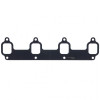
331682 Exhaust Manifold Gasket for Caterpillar 3208 Series application

- SKU:
- 331682
- MPN:
- 331682


Description
- Exhaust Manifold Gasket
- Caterpillar 3208 Series application
- Pack of 2
- WEIGHT: 0.50 LBS
- PKG SIZE: 20 x 10 x 1 inches
Frequently Asked Questions
It is intended for Caterpillar 3208 Series applications, making it a suitable Caterpillar 3208 exhaust manifold gasket choice. Always confirm your engine model and exhaust manifold configuration before installation. Proper matching helps ensure an effective exhaust manifold sealing gasket.
It comes as a pack of two gaskets, which can be helpful if you’re servicing both sides or keeping a spare on hand. Using the correct diesel engine exhaust gasket quantity helps avoid delays during reassembly. Verify whether your specific Caterpillar 3208 engine gasket service requires one or two pieces.
Exhaust leaks at the manifold can cause noise, soot buildup, and reduced performance due to lost exhaust flow control. Replacing it with a properly fitting PAI 331682 gasket helps restore a tight seal between the manifold and the engine. A sound seal also supports exhaust component longevity by reducing hot-gas blow-by.
Related Products


342008 Exhaust Manifold Lock for Caterpillar 3208 Engines application
PAI


331681 Oil Pan Gasket Caterpillar 3208 Series application
PAI


331338 Exhaust Manifold Gasket for Caterpillar 3306 application
PAI

331346 Exhaust Manifold Gasket for Caterpillar 3306 application
PAI


331637 Exhaust Manifold Gasket for Caterpillar C7 application
PAI