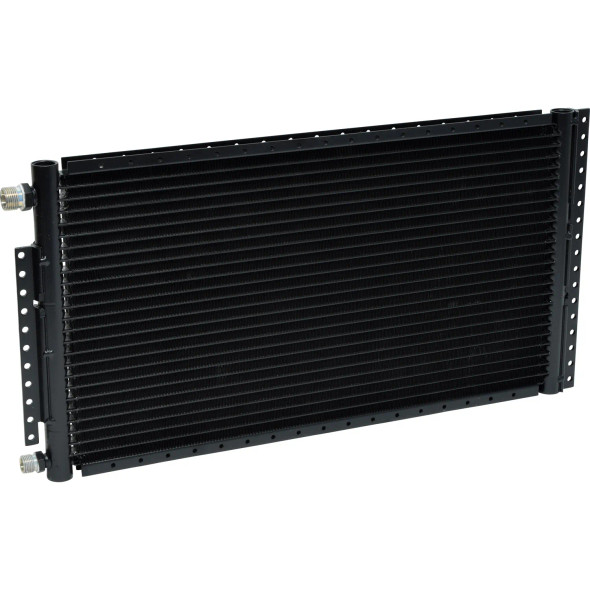


Description
PFLOW 15.17X27.5 4 RAILS
Specs
| Rows | 4 |
| Height (mm) | 395 |
| Length (mm) | 700 |
| Depth (mm) | 18 |
Package Dimentions & Weight
| Height (in) | 3 |
| Width (in) | 35 |
| Depth (in) | 36 |
Cross References
| Global Parts Distributors | 9011240 |
| Omega | 2450035 |
| Ranshu | TL3502505 |
| Trad Automotive | 320010 |
Frequently Asked Questions
It’s a truck A/C condenser designed to remove heat from refrigerant so the cab’s air conditioning condenser system can cool properly. The parallel flow condenser design helps improve heat transfer efficiency compared with older styles. It’s intended for heavy-duty truck applications where consistent cooling performance matters.
Match the part number CN 20006XC to your existing unit and compare key specifications like size and row count. This parallel flow condenser is listed with 4 rows and dimensions around 395 mm height, 700 mm length, and 18 mm depth. If you’re cross-referencing, check equivalents such as Global Parts Distributors 9011240, Omega 2450035, Ranshu TL3502505, or Trad Automotive 320010.
Better cooling can result when a worn or clogged unit is replaced with a clean, efficient parallel flow condenser. Performance also depends on the rest of the truck air conditioning parts, including correct refrigerant charge, airflow through the condenser, and the condition of the compressor. For best results, inspect for debris and bent fins and verify there are no leaks elsewhere in the system.
Related Products

CN 20002XC Condenser Parallel Flow
UAC
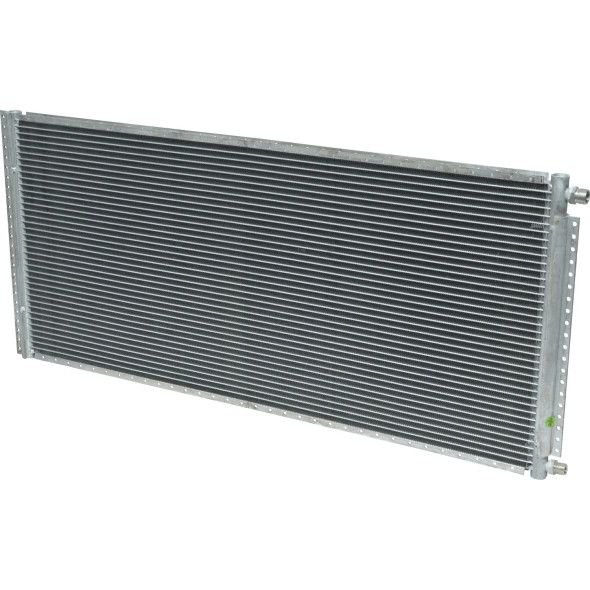
CN 1635PFC Condenser Parallel Flow
UAC
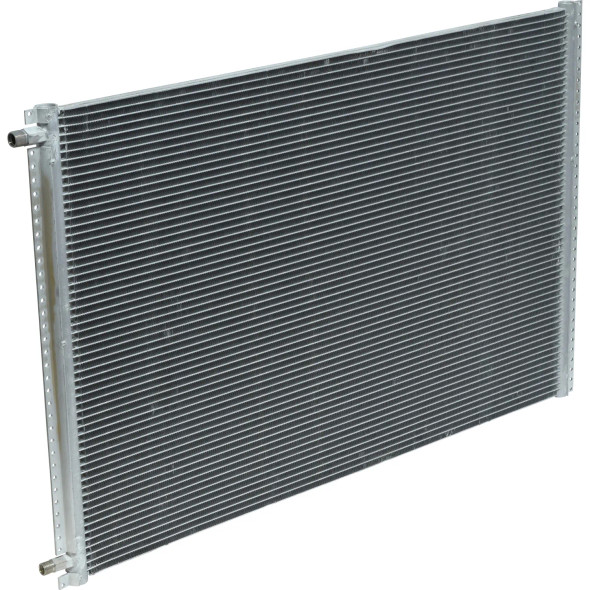
CN 20023PFC Condenser Parallel Flow
UAC