
UAC
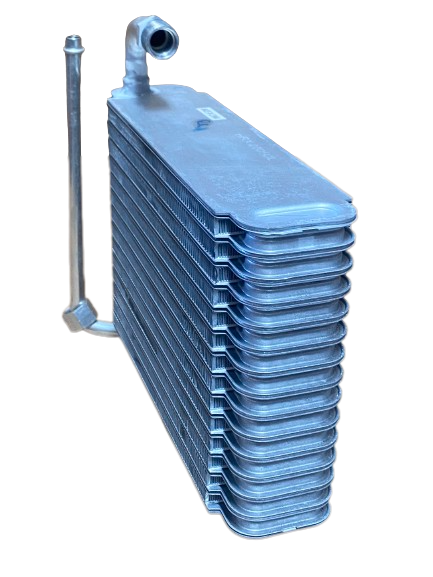
EV 9409175PFC A/C Evaporator Core For Peterbilt 379 1994-2001

- SKU:
- EV 9409175PFC
- MPN:
- EV 9409175PFC



Description
- A/C Evaporator Core For Peterbilt 379 1994-2001
- Package Dimensions 13.6"L x 11.8"W x 5.6"H
- Package Weight 3.8 Lbs
Frequently Asked Questions
This evaporator core is designed for Peterbilt 379 trucks from model years 1994 through 2001, including the 2000 Peterbilt 379. Match part number EV 9409175PFC with the existing HVAC components when confirming the replacement.
The evaporator core is the heat exchanger inside the HVAC housing where refrigerant absorbs heat from the cab air to produce cold air. Replacing a leaking or restricted core can restore vent temperature, airflow, and overall A/C performance.
The evaporator is located inside the HVAC housing behind the dash area and is accessed by removing interior panels and opening the HVAC case. Replacement typically requires opening the A/C lines, so the refrigerant must be properly recovered before removal; afterward, the system must be evacuated and recharged.
Related Products


EV 9409173C A/C Evaporator Core-Evaporator Copper Tf UAC fits 1997 Peterbilt
UAC


EV 9409193PFC A/C Evaporator Core
UAC


EV 9409224C A/C Evaporator Core-Evaporator Copper
UAC


EV 940173C A/C Evaporator Core-Evaporator Copper Tf
UAC


EV 9409214PFC A/C Evaporator Core-Evaporator Plate Fin
UAC