
NYC
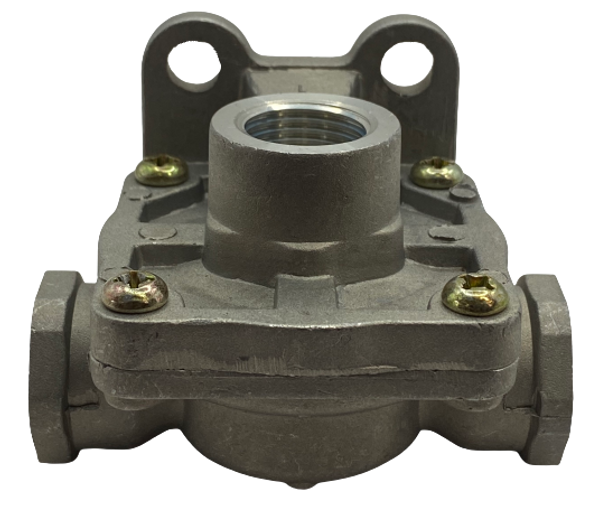
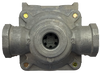
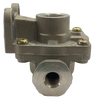
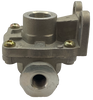
26A81X-0107 Valve Quick Release, (1) 1/2 P.T (2) 1/4 P.T QR-1 RKN32011
- SKU:
- 26A81X-0107
- MPN:
- 26A81X-0107


Description
- Valve Quick Release, (1) 1/2 P.T (2) 1/4 P.T QR-1 RKN32011
- Package Dimension 3.8"L x 3.7"W x 3.0"H
- Package Weight 0.6 Lbs
Frequently Asked Questions
It speeds up brake release by exhausting air locally at the valve instead of sending it back through longer lines. This helps reduce brake drag and improves response time in an air brake quick release valve application. It’s commonly used where faster release is needed at the service brake chambers.
It uses one 1/2" P.T. port valve connection as the supply port and two 1/4" P.T. port valve connections as delivery ports. Use the proper NPT/P.T. thread sealant and avoid over-tightening to prevent thread damage or leaks. If you’re replacing a QR-1 quick release valve or RKN32011 valve, match the line routing and port function before pressurizing.
Yes, it’s commonly used as a replacement where QR-1 quick release valve and RKN32011 valve fitment is specified, provided the port sizes and plumbing functions match. Confirm the mounting orientation, supply/delivery port arrangement, and any system requirements before installation. After installation, perform a leak check and verify proper apply/release behavior under normal operating pressure.
Related Products

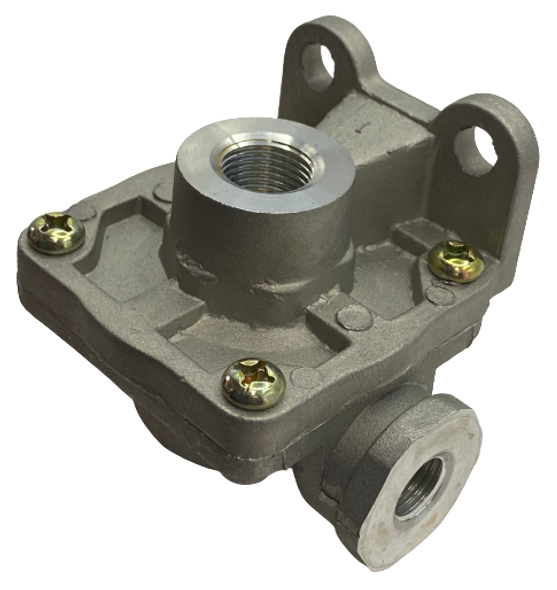
26A81X-0106 Quick Release Valve, (1) 3/8 P.T. (2) 1/4 P.T (314815C91)
NYC


26A81X-0184 Valve Quick Release QR-1 9730110240X
NYC

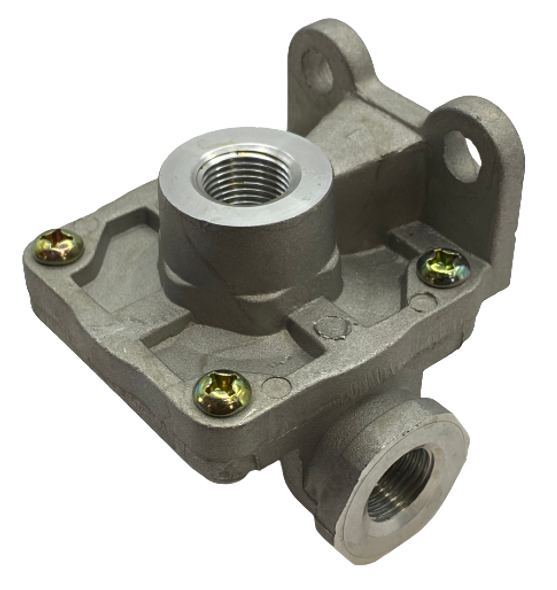
26A81X-0039 Valve Quick Release (1) 3/8 (2) 3/8 QR-1 KN32005
NYC


EM36260 Air Brake Quick Release Check Valve - Supply Port 1 1/4in P.T.Delivery Ports 2 3/8in P.T.Balance Port 1 1/4in P.T.
PAI
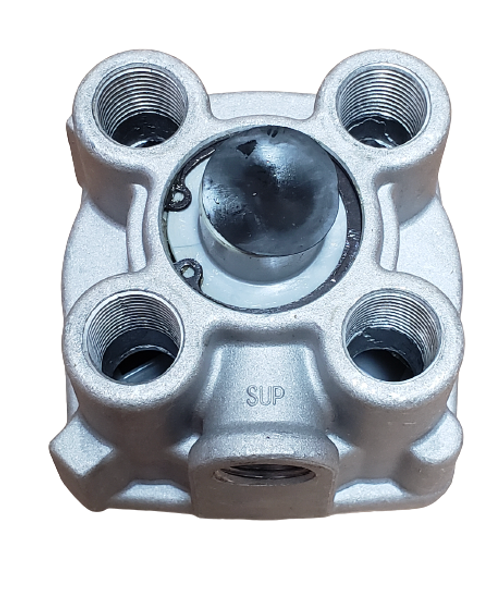
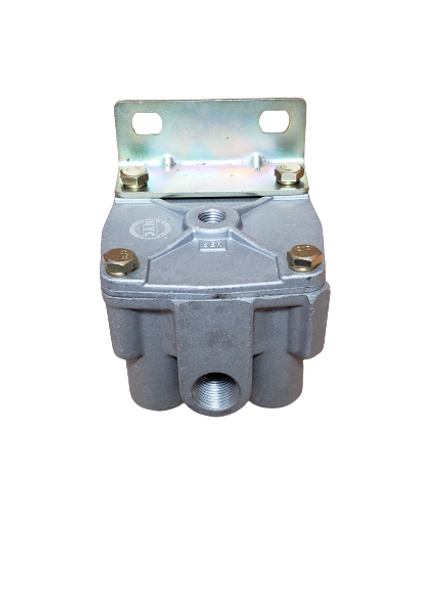
26A81X-0040 RELAY R-12 (1) 1/2 (4) 1/2 N/A (1) 1/4 4 (CRACKING PRESSURE)
NYC